Wearables.
Curved and shaped cells for watches, earbuds and rings.
The cell bends around the product, not the other way.
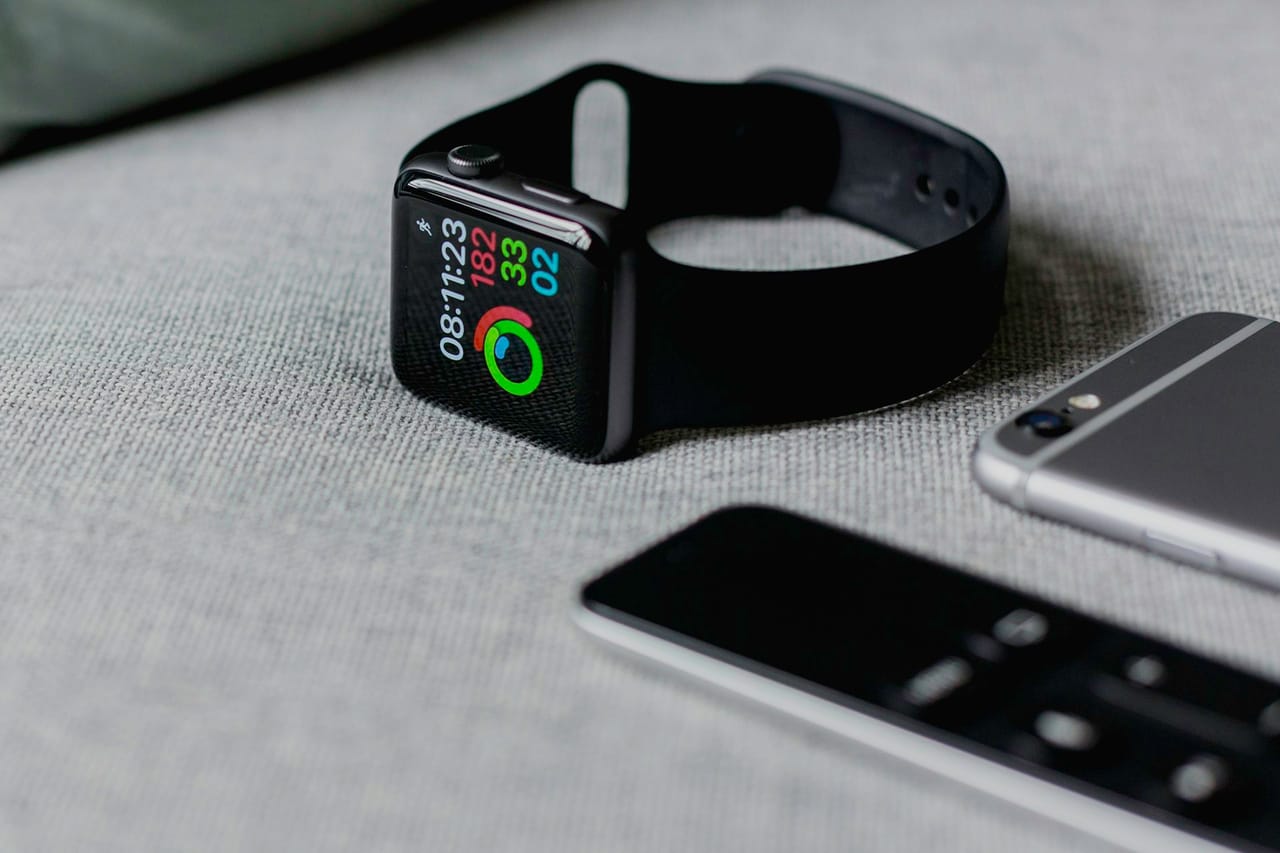
Wearables live or die on industrial design. We start from your enclosure — ring, band, earbud, patch — and engineer the cell to fit it, with matching BMS and terminals pre-integrated. Co-design starts at industrial-design lock; engaging us late means leaving 15 to 30% of available enclosure volume unused.
Curved & shaped pouches.
Single or double curvature, arbitrary polygon outlines, stepped cells that hug two enclosure heights in one piece. Minimum bend radius: 25 mm for 3 mm cells, R10 mm for 1 mm cells. Thickness tolerances held to ±0.05 mm for tight ID enclosures.
HV LCO 4.45 V chemistry is standard on the wearable line — +8 to 12% volumetric density vs 4.40 V cells, calibrated for the 800 to 1,000 cycle life target most flagship watches and earbuds want today.
Round coin cells for earbuds & rings.
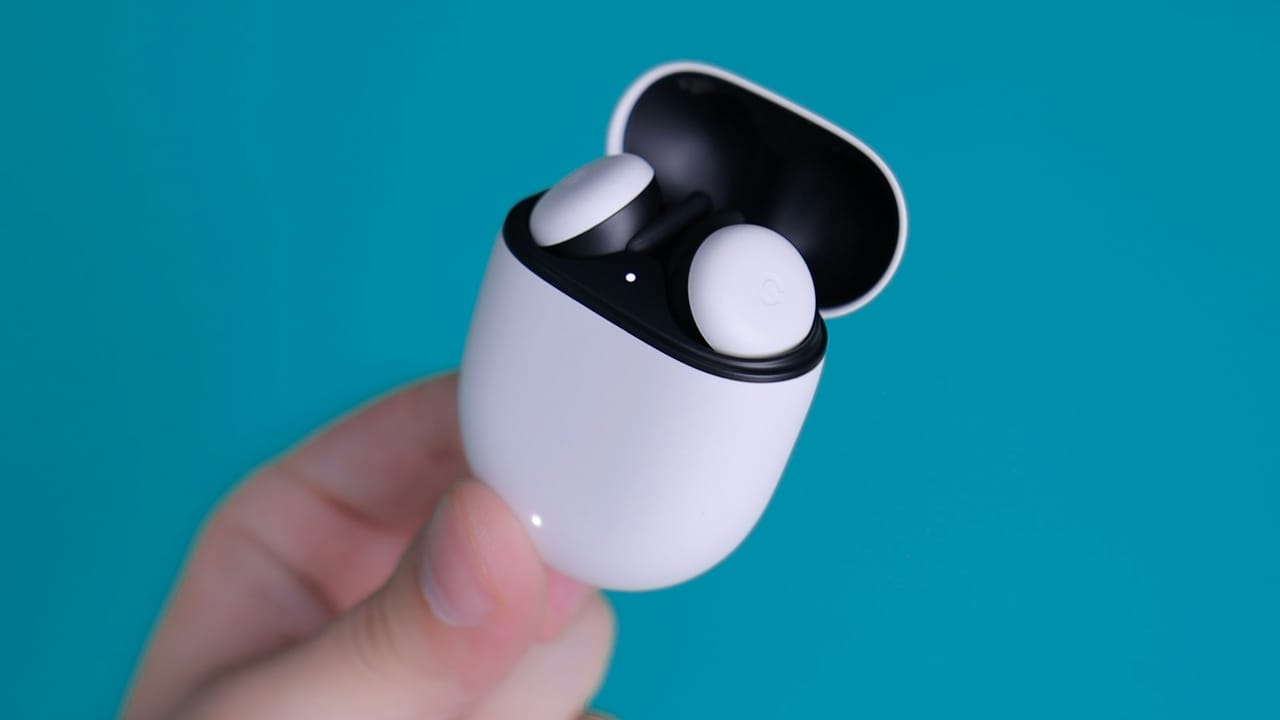
Rechargeable Li-ion button cells from 4 mm to 16 mm diameter, 1.0 mm to 5.8 mm thickness. Hermetic stainless-steel can survives drop tests on hard floors better than any pouch. Pair with our charging-case cell for a complete TWS solution — we ship both sides.
For smart rings the geometry shifts again: arc-shaped Li-Po pouches at R10 to R12 mm, curved circumferentially around the finger channel. 25 to 80 mAh in 150 to 500 mm³.
Device-level guidance.
| Device | Cell Format | Capacity | Notes |
|---|---|---|---|
| Smartwatch (AMOLED, always-on) | Curved LiPo, HV LCO 4.45 V | 250 – 500 mAh | 3 – 7 day runtime targets |
| Fitness band | Flat LiPo | 70 – 200 mAh | 7 – 14 day runtime, low SD |
| TWS earbud (per side) | Coin Li-ion (Ø 10 – 14) | 40 – 95 mAh | 6 – 9 h music playback |
| TWS charging case | Cylindrical / pouch | 400 – 600 mAh | 3 – 5 charge cycles per case |
| Smart ring | Arc / curved pouch | 15 – 80 mAh | 4 – 7 day runtime |
| Skin patch (single-use) | Thin LiPo | 30 – 100 mAh | 7 – 14 day runtime, sterile |
Six layers between the spec and the wrist.
A wearable cell that ships at scale clears the same six checkpoints, regardless of whether it ends up in a watch, a ring or an earbud.
Custom geometry tooling
Pouch forming dies and electrode cutting masks built per program. Stepped, L-shaped and curved cells need dedicated tooling — see our tooling cost breakdown for the math.
HV LCO 4.45 V chemistry
+8 to 12% volumetric density vs 4.40 V baseline. Tighter charge-voltage reference (±10 mV). LiDFOB additive for cathode stability above 4.40 V.
FPC tab routing
Flexible printed circuit tab welding for curved cells where rigid metal tabs would crack at the cell edge. Tab fatigue qualified through 50,000 cycles of ±3 mm deflection.
Skin-contact thermal limit
BMS de-rates charge above 38 °C skin-side. Cell-internal NTC compensates for the 2 to 4 °C lag between cell and PCB during fast charge.
Wireless-charge BMS
Qi and proprietary wireless charging supported with thermal throttling at 38 °C cell. Coil-side rectifier integration tested with 5 W and 10 W transmit pads.
Accelerated cycle aging
500-cycle screening at 45 °C and 1C charge / 1C discharge per lot. Capacity retention must clear 80% to release. Catches the cells that age fast in the warm-and-fast-charge regime that real users impose.
What wearable OEMs ask before they commit.
What capacity gets me a 5-day smartwatch runtime?
For an always-on AMOLED smartwatch with continuous HR + BLE, plan on 350 to 450 mAh for 5 days. Sleep current dominates — MCU sleep under 50 µA and a 1 Hz watch face refresh make the math work. Curved Li-Po with HV LCO 4.45 V chemistry typically wins on volumetric density. See sizing a cell from a power profile.
Pin-shaped LiPo or coin Li-ion for TWS earbuds?
Coin Li-ion wins on cycle life and the rigid hermetic shell — important for an earbud dropped on tile floors. Pin-shaped LiPo wins on capacity per millimetre when the architecture cannot fit a coin. Most TWS programs we ship today use a coin in the bud and a pouch in the charging case. See why TWS earbuds plateaued — and what comes next.
How small can a smart ring battery go?
Realistic envelope is 150 to 500 mm³ of usable volume in a typical ring. At HV LCO density that is 25 to 80 mAh. Beyond 50 mAh, expect to commit to stepped or multi-arc geometries with custom tooling. See battery design for smart rings for the full power budget walkthrough.
What's the cycle-life trade-off for fast charging?
1C (full charge in ~70 min) is fine. Above 2C, plating risk grows below 15 °C and cycle life drops 30 to 50% over 500 cycles. Our wearable BMS uses a temp-vs-rate lookup: C/5 below 5 °C, 1C above 15 °C. Most user-perceived "fast charge" comes from optimising the first 60 minutes, not the full charge.
Which certifications are needed for global launch?
UN 38.3 + IEC 62133-2:2017 + A1 globally. CE for EU, FCC for US (device level), KC for Korea, BIS for India. Total stack: USD 25 to 40k, 14 to 16 weeks. See our IEC 62133-2 complete walkthrough.
Engineering deep-dives.
Battery Design for Smart Rings
Geometry, chemistry and a worked power budget for < 200 mm³ devices.
Read the deep-dive →Stepped & L-Shaped Battery Design
How L, U, T and stepped pouch cells fit non-rectangular wearables.
Read more →Custom-Shaped Polymer Lithium
The cell platform under every curved wearable we ship.
Explore the pillar →Send us the enclosure.
STEP, IGES or a hand sketch — we'll design the cell around it.
Start a Wearable Project