Smart Home Battery Packs
Long-life rechargeable cells for devices that have to "just work" for a year between charges.
Rechargeable Li-Po + rechargeable coin — the smart-home that can be re-charged.
We ship two cell families into the connected-home market: custom Li-Po pouch cells for any rechargeable device — smart locks, video doorbells, battery cameras, smart shades, robot vacuums — and rechargeable LIR / ML coin cells for sensors with energy harvesting and SMD-mounted RTC / beacon roles. We do not make primary CR coin cells (CR2032, CR2450), CR123A cylindrical primaries, or 18650 / 21700 Li-ion — for sensor applications dominated by non-rechargeable primary cells (door/window sensors, smoke alarms, leak detectors), your sourcing path is a different supplier.
Long-life Li-Po pouch for high-event devices.
For smart locks, video doorbells, battery-powered cameras and motorised shades, custom Li-Po pouches (500 mAh to 10 Ah) deliver 6 to 18 months between charges. Our low-self-discharge formulation holds < 1% loss per month vs. 2-4% for commodity LCO. Standard chemistry: 4.40 V LCO with carbon-coated foil; high-voltage 4.48 V variant for premium platforms where +8% energy density justifies the cycle-life trade-off.
We tune the pack to the host MCU's deep-sleep budget — typically a 25 µA BMS standby for rechargeable platforms, which is roughly 4× better than off-the-shelf alkaline replacement modules.
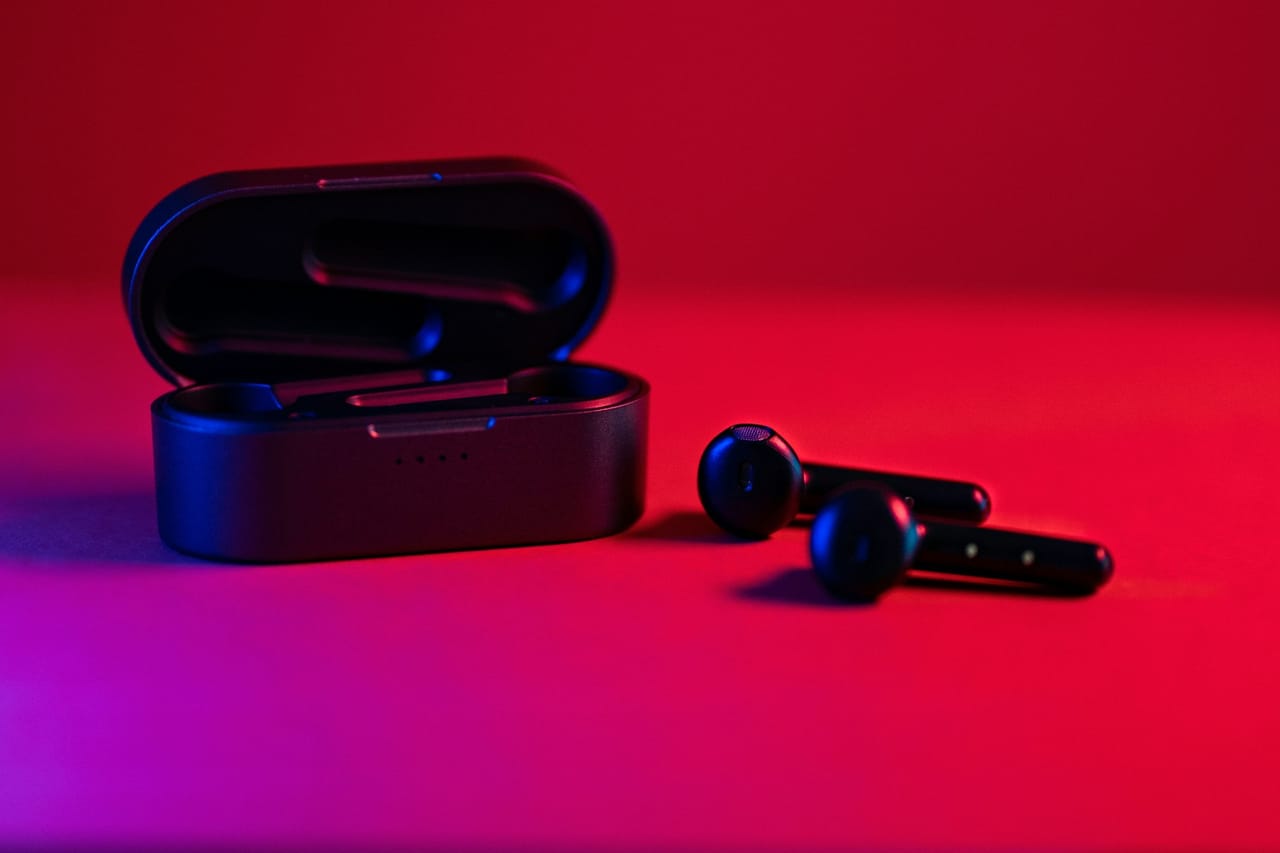
Rechargeable coin cells for harvesting sensors and beacons.
For sensors with a small solar harvesting panel, kinetic harvesting, or a periodic wireless top-up: LIR2032 / LIR2450 deliver 500+ cycles with a hermetic stainless-steel can rated -40 to +85 °C. For SMD-mounted designs (BLE beacons, RTC retention on the host PCB, sealed environmental sensors): ML2032 / ML2430 survive standard lead-free reflow at 260 °C peak and run 1,000+ cycles.
The coin steel-shell platform suits sealed-housing devices that should never need to be opened — and devices with energy-harvesting input that periodically tops up the cell.

Real platforms, real specs.
| Device | Cell type | Capacity | Battery life target | Volume |
|---|---|---|---|---|
| Smart deadbolt (Z-Wave / Zigbee) | Li-Po pouch (rechargeable) | 1,500 – 2,500 mAh | 12 – 18 months / charge | 20k pcs/mo |
| Smart deadbolt (Wi-Fi) | Li-Po pouch (rechargeable) | 2,000 – 4,000 mAh | 4 – 8 months / charge | 15k pcs/mo |
| Battery video doorbell | Li-Po pouch | 5,000 – 6,500 mAh | 3 – 6 months / charge | 15k pcs/mo |
| Outdoor security camera (battery) | 2S Li-Po, 7.4 V | 6,000 – 10,000 mAh | 3 – 5 months + solar trickle | 10k pcs/mo |
| Robot vacuum (mid-tier) | 4S2P Li-Po | 5,200 mAh / 4S | 800 – 1,500 cycles | 15k pcs/mo |
| Motorised window shade / blind | Li-Po pouch | 2,000 – 4,000 mAh | 6 – 12 months / charge | 10k pcs/mo |
| BLE beacon (SMD) | ML2032 reflow-mountable | 65 mAh | 5 yr passive, 1,000+ cycles | 200k pcs/mo |
| Solar-harvesting sensor | LIR2032 / LIR2450 | 40 – 120 mAh | 1,000+ cycles, sealed | 40k pcs/mo |
Six rules that make a battery invisible.
Smart-home devices fail when the battery becomes visible — when it dies early, swells inside the wall housing, or refuses to wake the device on cold mornings. Six engineering decisions decide which one happens.
Ultra-low self-discharge
< 1% per month at 25 °C — twice the industry standard for low-volume LCO. Critical for devices stocked on retail shelves for 6+ months before sale.
Hibernate-current matching
BMS standby current under 25 µA on rechargeable Li-Po platforms. We tune the protection IC's quiescent draw to the host MCU's deep-sleep budget rather than ship a generic profile.
Wide-temperature electrolyte
-20 °C to +60 °C operating with 75% capacity retention at -20 °C on the standard wearable Li-Po. Optional self-heating BMS for outdoor cameras and unheated outbuildings.
USB-C / wireless ready
Built-in 1.5C fast-charge BMS for USB-C PD and Qi-coil interfaces. Charging temperature inhibit below 0 °C prevents lithium plating on cold mornings.
UN 38.3 + IEC 62133-2 + CE
Cell-level safety, transport compliance, and EU Battery Regulation digital passport (2027-ready). KC, BIS and PSE on request for Asian-market launches.
Reflow-mountable coin option
For BLE beacons, sealed sensors and SMD RTC retention: ML2032 / ML2430 cells go through standard J-STD-020 lead-free reflow. No second pass or hand soldering needed.
What smart-home OEMs ask before they commit.
How long does a Li-Po-powered smart lock last between charges?
A modern Z-Wave / Zigbee lock with a 1,500-2,500 mAh Li-Po pouch and 10 to 15 unlocks/day delivers 12 to 18 months between charges. Wi-Fi locks (always-listening) run 4 to 8 months. We size the pack against the host MCU deep-sleep current and the radio's wake duty cycle, not against an off-the-shelf alkaline equivalent.
Can I use rechargeable coin cells in low-event sensors?
Yes — when the sensor has an energy-harvesting source. LIR2032 / LIR2450 deliver 500+ cycles with a sub-2 µA harvesting controller. ML2032 / ML2430 add SMD reflow capability. We don't make primary CR coin cells — for primary-only sensors (door/window contact, smoke alarms), the sourcing path is a different supplier. See LIR vs ML — choosing the right rechargeable coin.
What capacity Li-Po for a video doorbell or battery camera?
5,000 to 10,000 mAh Li-Po at 3.7 V (or 2S 7.4 V for higher-resolution H.265 streams). Must support 1.5C fast charging from USB-C or solar, handle 2 A peaks during encoding, operate -20 to +60 °C, and hold < 1% self-discharge per month.
How do you handle northern winters?
Standard Li-Po loses 20-35% capacity at -20 °C and refuses to charge below 0 °C. Low-temp electrolyte variant holds 75% at -20 °C; optional self-heating BMS for unheated outbuildings or shaded camera locations. For continuous sub -25 °C deployments, switch to ML coin cells (-40 to +85 °C, 70 to 80% at -40 °C) where the device's power budget allows.
What certifications are needed for global ecosystems?
UN 38.3 globally for transport. IEC 62133-2:2017 + Amendment 1 for cell safety. CE + EU Battery Regulation for Europe, FCC at device level for the US, KC 62133 for Korea. Smart-home ecosystem certs (Matter, HomeKit, Google Home) sit on the host device, not the battery — but battery test reports are part of the device technical file.
Engineering deep-dives.
LIR vs ML Coin Cells
Picking the right rechargeable coin chemistry for sensor or wearable.
Read the comparison →Sizing a Cell from a Power Profile
Convert a current-vs-time trace into a real-world capacity spec.
Read more →Coin Steel-Shell Lithium
The hermetic-can platform underneath every long-life sensor and beacon.
Explore the pillar →Building the next connected device?
Send the duty cycle, sleep current, MCU wake budget and target battery life — we'll come back with the Li-Po pouch or coin cell that hits the runtime, plus the BMS to match.
Request Engineering Review