Batteries for AR / VR.
Ultra-thin and curved cells engineered around the optical engine.
Slim temples, all-day runtime.
AR glasses push battery engineering to the edge: the cell has to fit in a < 6 mm temple, survive 500+ charge cycles, power displays and radios without sagging, and never get warm against skin. We've shipped cells into glasses and headsets ranging from 8 mAh sensor-only smart glasses to 2,500 mAh standalone VR — and the chemistry, geometry and BMS choices look very different at each scale.
Ultra-thin Li-Po pouch cells.
Down to 0.45 mm thickness, with curved and stepped profiles that hug the inside of a temple. Our HV LCO chemistry at 4.48 V gives +8 to 12% volumetric energy density versus a standard 4.40 V cell — meaningful when every mAh in a 0.6 mm temple costs design hours.
Every cell is screened for volumetric swelling under 50-cycle and 85 °C / 85% RH aging — the two failure modes that haunt hermetically-sealed eyewear. Capacity retention at C200 must clear 92% before a lot ships.

Thermal-aware BMS for skin-contact devices.
Integrated fuel gauging with skin-contact temperature limiting. The BMS de-rates charging when the user is wearing the device, protecting both wearer comfort and cell chemistry — most overcharge-driven swelling happens specifically in the warm-and-charging regime above 50 °C.
Supports wireless-charging front ends, USB-PD, and the custom spring-contact pogo interfaces used in most AR docking cradles. CC/CV protocol with C/10 termination ships as standard for 800+ cycle life targets.
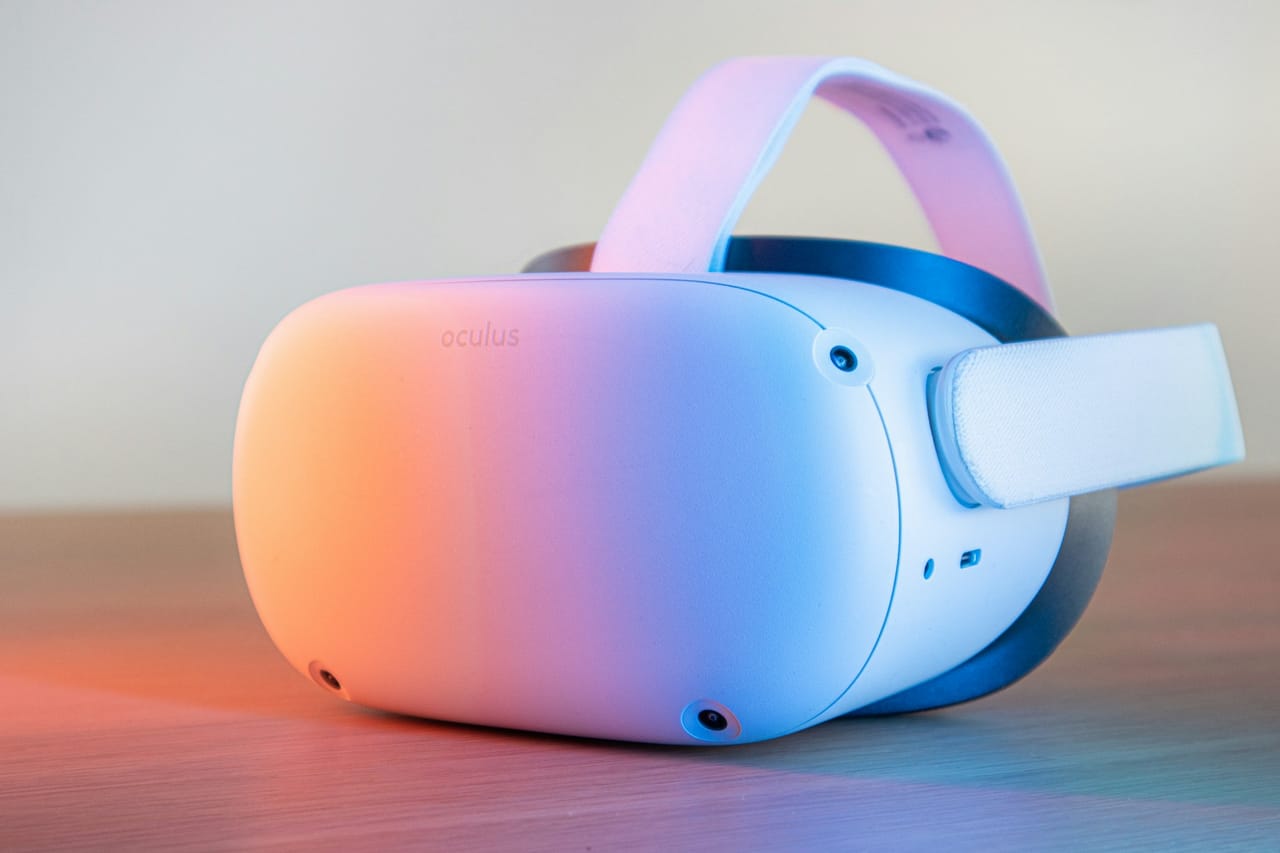
What we usually ship into AR/VR.
| Device Type | Capacity | Thickness | Weight | Cycle Life |
|---|---|---|---|---|
| Smart glasses (display-less) | 30 – 80 mAh | 0.5 – 1.0 mm | 0.8 – 2.2 g | 500+ |
| AR glasses (micro-OLED) | 150 – 400 mAh | 1.2 – 2.5 mm | 4 – 9 g | 500+ |
| Standalone AR headset | 600 – 1,200 mAh | 3.0 – 5.0 mm | 14 – 28 g | 800+ |
| Standalone VR headset | 1,800 – 5,000 mAh | 5.0 – 9.0 mm | 40 – 100 g | 800+ |
Six layers between the spec and the field.
Every AR/VR cell that leaves our line passes the same six checkpoints, sized to the smallest format we make.
HV LCO 4.48 V chemistry
+8 to 12% volumetric density vs 4.40 V baseline. Tighter charge-voltage reference (±10 mV) protects against the high-voltage electrolyte breakdown that limits cycle life.
0.45 mm thickness floor
Single-layer electrode stack with 12 µm copper foil and 10 µm separator. Pouch + tab inert mass < 35% of total volume — close to the practical limit for a portable cell.
Swelling-screened
500-cycle, 85 °C / 85% RH aging on every new lot. Z-axis growth must stay under 9% or the lot fails QC. Catches the moisture-driven electrolyte decomposition that ruins sealed temples.
Skin-contact thermal BMS
Cell-internal NTC + PCB thermistor with 2 to 4 °C lag compensation. Charging throttle above 38 °C skin-side temperature; full inhibit above 45 °C cell.
Low-temp variant
−20 °C low-temp electrolyte option for outdoor headsets. Capacity at −20 °C ≥ 80% of room temp; cold-charge inhibit below 0 °C prevents lithium plating.
EMI-hard tab routing
Tab placement and pouch-internal layout co-designed with the antenna engineer to keep cell loop area away from BLE / Wi-Fi / 5G antennas. Reduces re-tuning iterations.
What AR/VR teams ask before they commit.
How thin can a lithium pouch cell really go?
Production-volume Li-Po pouch cells are stable down to 0.45 mm thickness with HV LCO chemistry. Below 0.4 mm the inert layer ratio starts to dominate, so capacity per unit volume drops and cycle life shortens. We routinely ship 0.5 to 1.0 mm cells for smart glasses temples and 1.2 to 2.5 mm cells for micro-OLED AR glasses. Read our field guide on sub-millimetre AR cells for the manufacturing constraints.
What does HV LCO at 4.48 V actually buy me?
+8 to 12% volumetric density on the same cell — typically 25 to 50 mAh extra in a 0.6 mm AR temple, equating to 25 to 40 minutes of runtime. The trade-off is a tighter charge-voltage reference (±10 mV) and faster electrolyte ageing above 50 °C. See HV LCO at 4.48 V: density gains for wearables.
How do you keep skin-contact temperature down?
Three layers: a graphite or copper foil heat-spreader bonded to the cell underside, a thermal-aware BMS that throttles charging above 38 °C skin-side, and a cell-internal NTC that catches the 2 to 4 °C lag between cell and PCB during fast charge. Most field complaints we have ever traced have been "warm temple while charging" — fixable in firmware.
How long does swelling qualification take?
500 cycles at 85 °C / 85% RH typically runs 5 to 6 weeks per lot. We start it in parallel with IEC 62133-2 testing so it does not extend the program critical path. Cells fail acceptance if z-axis growth exceeds 9% — most cells we ship today land at 4 to 6%.
What certifications do I need to ship to the EU and US?
UN 38.3 globally for transport. IEC 62133-2:2017 + Amendment 1 for safety in use. CE Battery Regulation for the EU, FCC at device level for the US. A tier-1 OEM will also ask for the IEC 62133-2 forced-internal-short test (Amendment 1 clause 7.3.9). Total stack runs USD 25 to 35k and 14 to 16 weeks. See our UN 38.3 + IEC 62133 walkthrough.
Engineering deep-dives.
Designing an Ultra-Thin Battery for AR Glasses
Mechanical, thermal and EMI trade-offs below 1 mm.
Read the deep-dive →HV LCO at 4.48 V — Density Gains
What the high-voltage cathode platform actually delivers at the pack.
Read more →Custom-Shaped Polymer Lithium
The platform underneath every curved AR/VR cell we ship.
Explore the pillar →Building the next pair of glasses?
Send the temple cross-section — we'll come back with the thickest cell that fits and the longest runtime it can give.
Request Engineering Review